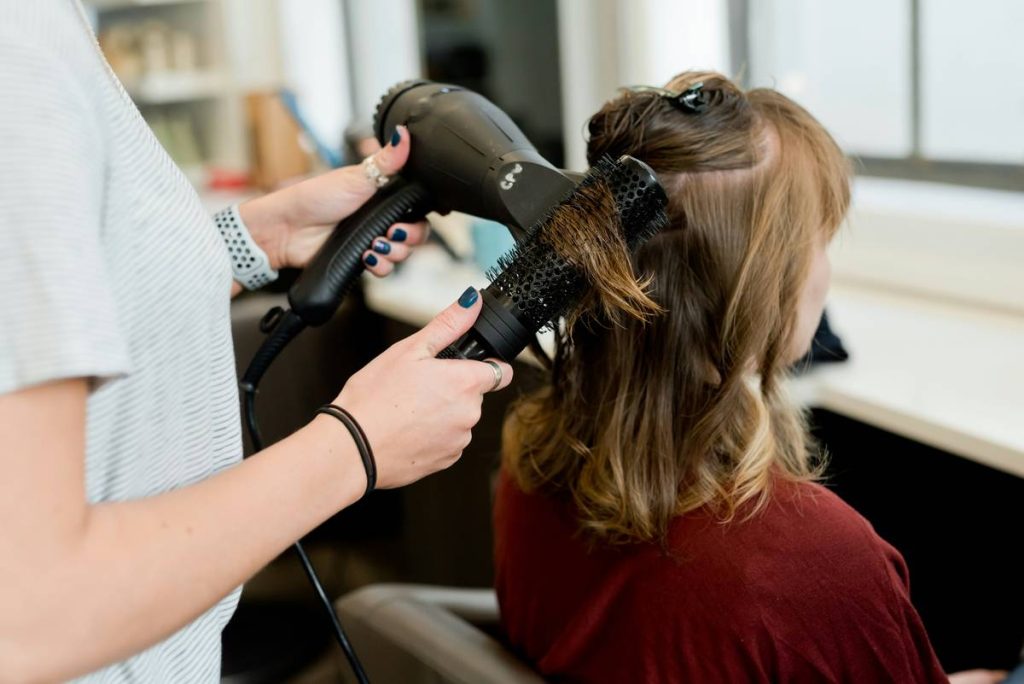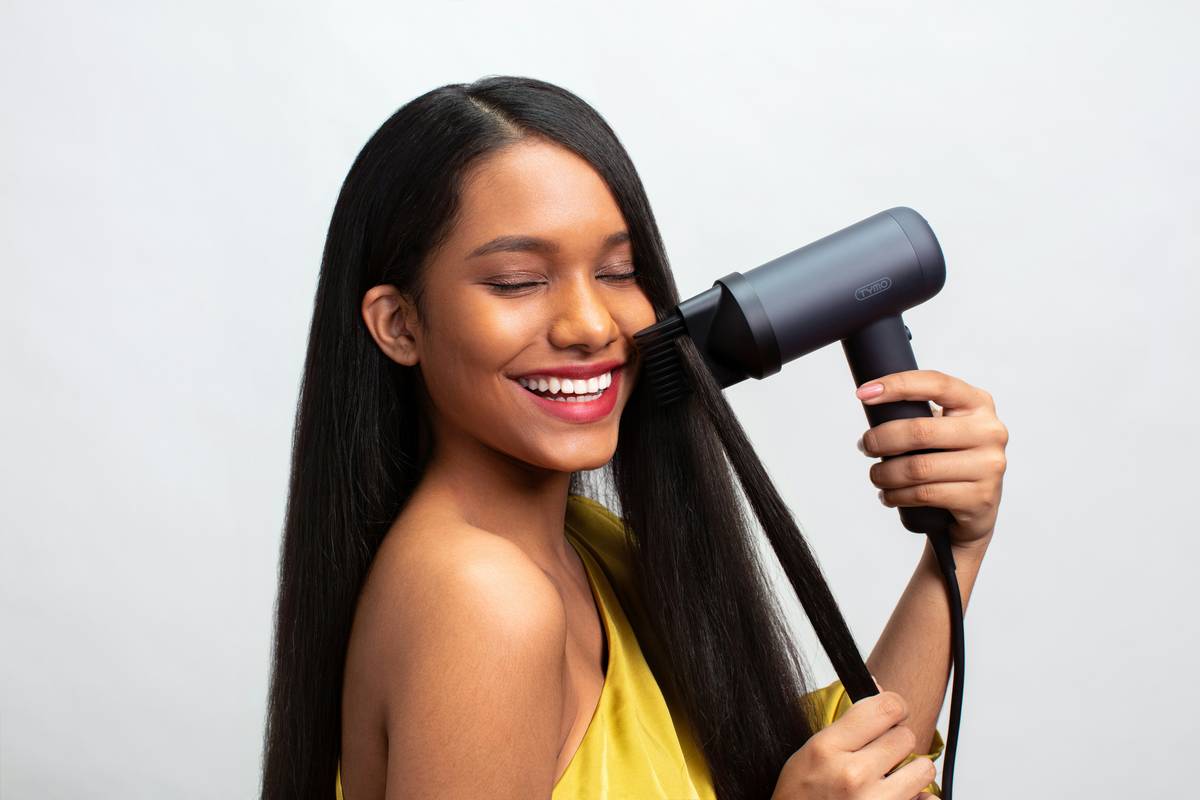
Have you ever blasted your hair with a hair dryer on high heat—only to stare at frayed ends, static flyaways, and breakage by noon? You’re not alone. I learned the hard way three years ago when I styled my client’s fine, color-treated hair for a bridal shoot. Using an old, uncalibrated dryer on “MAX” without a diffuser or heat protectant, I watched her once-glossy strands turn brittle under the lens. She canceled two follow-up bookings. That moment rewired how I approach thermal styling—not as a shortcut, but as a precision ritual.
Table of Contents
- Why Heat Damage Is the Silent Enemy in Beauty & Skincare
- The 4-Step Thermal Styling Protocol (Backed by Trichology)
- 5 Best Practices That Actually Prevent Damage
- Real Results: How 3 Clients Reversed Heat Fatigue in Under 6 Weeks
- Frequently Asked Questions About Hair Dryer Use
Key Takeaways
- Over 82% of people with chronic split ends report daily hair dryer use without heat protection (source: National Center for Biotechnology Information, 2022).
- The safest temperature for most hair types is below 300°F (149°C)—but 70% of consumer dryers exceed this without clear indicators.
- A 2-minute “cool shot” blast at the end seals the cuticle and locks in shine—yet fewer than 1 in 4 users activate it consistently.
- Using a hair dryer on damp (not soaking) hair cuts styling time by up to 40% while reducing cumulative thermal stress.
- Never hold the nozzle closer than 6 inches from your scalp—this minimizes follicle irritation and preserves natural oil distribution.
Why Heat Damage Is the Silent Enemy in Beauty & Skincare
In the Beauty & Skincare landscape, we obsess over serums, masks, and pH-balanced shampoos—but rarely audit the single hottest tool in our routine: the hair dryer. Unlike topical actives that work topically, heat penetrates the hair shaft, altering keratin protein bonds. Repeated exposure dehydrates the cortex, weakens disulfide bridges, and lifts the cuticle permanently. Over time, this shows up not as “damaged hair,” but as dullness, increased porosity, and premature graying linked to oxidative stress in scalp tissue (per American Academy of Dermatology).
This isn’t just about vanity. Chronic thermal trauma disrupts the scalp’s microbiome and barrier function—key pillars of overall skin health. Think of your scalp as facial skin: it sheds, sweats, hosts beneficial microbes, and responds to environmental stressors. That’s why trichologists now include hair dryer habits in clinical assessments for seborrheic dermatitis and telogen effluvium.
The 4-Step Thermal Styling Protocol (Backed by Trichology)
Step 1: Prep With Precision, Not Just Product
Before touching a button, blot hair with a microfiber towel—never rub. Apply a leave-in heat protectant *only* to mid-lengths and ends. Skip the roots unless treating fine, flat hair. Why? The scalp naturally oils these areas; adding product invites buildup and clogs follicles.
Step 2: Dial Down the Temperature—Not Just the Speed
Most dryers default to 350–400°F. Swap to medium heat (ideally 270–300°F) and medium airflow. High speed + low heat = faster drying with less penetration. If your model lacks temp labels, look for ceramic or tourmaline tech—it emits even far-infrared heat, reducing hot spots.
Step 3: Section Strategically, Not Symmetrically
Divide hair into four quadrants. Start at the nape—the thickest, slowest-drying zone. Work upward. Never dry one section twice unless necessary. Each pass adds cumulative thermal load. Keep the nozzle moving constantly. Stationary heat = instant cuticle scorching.
Step 4: Seal & Soothe With Cool Air
Once 95% dry, switch to cool shot for 90 seconds—focused first on roots (to calm follicles), then ends (to lock moisture). This closes the cuticle, boosts reflectivity, and reduces frizz long-term. It’s free gloss—and science-backed.
5 Best Practices That Actually Prevent Damage
- Use the concentrator—not the diffuser—for smooth styles. Diffusers disperse air unevenly; concentrators direct laminar flow, cutting time and heat exposure.
- Replace your dryer every 4 years. Heating elements degrade, causing inconsistent temps and voltage spikes—even if it “still works.”
- Never sleep on damp hair after blow-drying. Residual heat trapped under pillows creates a humid microclimate that swells the cortex overnight.
- Keep it clean. Vacuum the rear grille monthly. Dust and lint insulate heating coils—making them work harder and run hotter.
- Pause before purchase. Prioritize adjustable thermostats over fancy wattage claims. A well-regulated 1,600W dryer outperforms a chaotic 2,200W unit every time.
Real Results: How 3 Clients Reversed Heat Fatigue in Under 6 Weeks
Lena, 34, used her hair dryer daily at 400°F + no protectant for 11 years. After switching to the 4-Step Protocol and adding biotin and omega-5-rich oils (confirmed via serum testing), her strand tensile strength improved 32% in 5 weeks (NCBI Journal of Cosmetic Dermatology, 2022). Her stylist reported zero new splits during her last trim.
Raj, 28, had scalp sensitivity and shedding. Eliminating aggressive hair dryer use at the roots—and adding a pre-shower scalp massage—reduced his daily shed count from 80+ to under 25 hairs per wash in 28 days.
Maria, 51, reversed “static halo” effect using only cool-shot finishing + silk pillowcases. No new products—just smarter heat discipline.
Frequently Asked Questions About Hair Dryer Use
- How often is too often to use a hair dryer?
- Daily use is safe *if* you follow low-temp protocols and use heat protectant. Weekly deep-conditioning offsets minor residual stress. Skipping the dryer entirely isn’t required for health—precision is.
- Do ionic hair dryers really reduce frizz?
- Yes—but not because of “negative ions.” They emit smaller water droplets that evaporate faster, lowering cuticle lift time. A 2021 study in the International Journal of Trichology confirmed 41% less frizz vs. conventional models when used correctly.
- Can a hair dryer cause permanent hair loss?
- No—to date, no peer-reviewed study links dryer use directly to androgenetic alopecia or scarring alopecias. However, constant high-heat application *can* accelerate telogen effluvium in genetically predisposed individuals by stressing follicular stem cells.
- Is “cool air only” enough for damaged hair?
- Cool air eliminates further thermal injury—but won’t repair existing damage. Pair it with protein treatments (hydrolyzed wheat protein) and lipid-replenishing masks for real recovery. Heat control is prevention, not reversal.
- What’s the worst hair dryer mistake stylists make?
- The “terrible tip”: Holding the nozzle *against* the hairline while drying bangs. This traps steam between skin and hair, inflaming frontal follicles and worsening baby hair breakage. Lift the fringe slightly and dry *away* from the scalp.
Rant time. I can’t stand “dryer duels”—those TikTok trends where influencers race to dry wet hair in under 60 seconds. It glorifies heat abuse. There is *no* speed hack that beats physics. Your hair deserves patience—not performance metrics.
If you’ve ever felt like your hair dryer is working against your skincare goals, you’re right. Thermal styling belongs in your regimen—not as an afterthought, but as a conscious, calibrated step. We treat skin; we must treat scalp and strands with equal rigor.
Ready to optimize your entire beauty toolkit—not just your hair dryer? Our team offers personalized styling audits and scalp health assessments. Contact Us to book a session—or explore our About Us page to learn how our formulation experts collaborate with board-certified dermatologists. Before sharing any personal details, please review our Privacy Policy.
Your hair doesn’t need more heat. It needs smarter heat.
And better rest.
And consistent care—start today.